The 'Real Person' Is a Casting Call: Inside the Fake Ordinariness Powering Modern Advertising
There's a woman in a yogurt commercial right now who looks like your neighbor. Slightly tired. Genuinely warm smile. Hair that's not quite styled but not quite messy either. She laughs at something off-camera, and it feels spontaneous — like the crew just happened to catch a real moment. She's wearing a shirt you'd find at Target.
She is not your neighbor. She is a trained actor who went through three rounds of callbacks, a brand alignment session, and a wardrobe fitting specifically designed to look like she picked that shirt herself.
This is the authenticity swindle, and it's running at full speed across American advertising right now.
The Price Tag on Looking Broke
Let's talk money first, because the economics here are genuinely wild. Major consumer brands — we're talking food, beverage, apparel, personal care — are now allocating significant portions of their casting budgets specifically to find people who look like they don't care about being in ads. That's not a contradiction they're embarrassed about. It's a strategy.
The brief that goes out to casting agencies often reads something like: relatable, authentic-feeling, diverse but not tokenized, attractive but approachable, aspirational but not intimidating. Translation: good-looking enough to sell something, ordinary enough that you don't clock them as a model.
This is a skill set. And it costs accordingly.
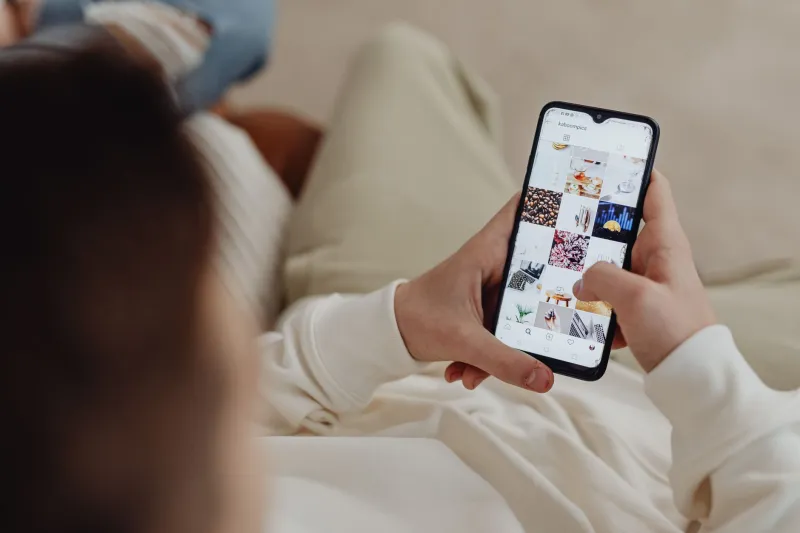
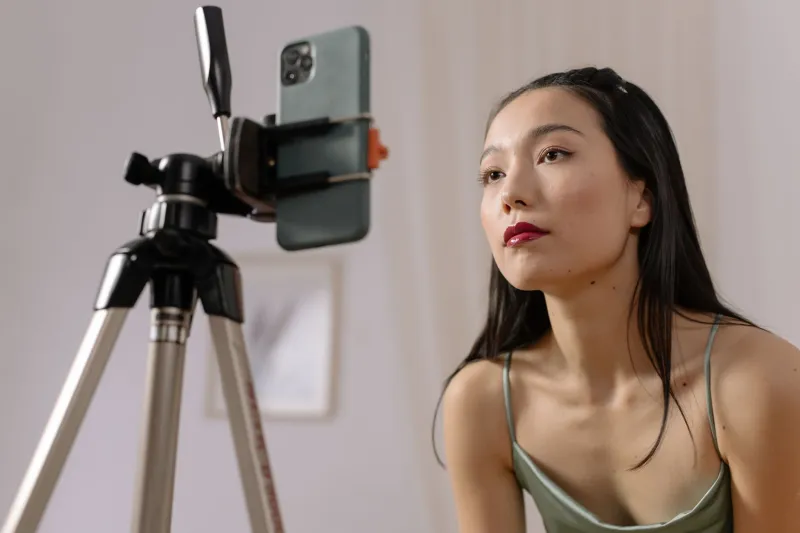
Micro-influencers with 15,000 to 80,000 followers — the ones who built audiences by posting genuinely personal content — are now being recruited into brand campaigns specifically because they already know how to perform realness on camera. Some of them are making more per post than mid-tier traditional models. The market has spoken: ordinary is premium now.
The Factory Behind the Feeling
Here's what the casting process actually looks like for a mid-sized lifestyle brand running a "real people" campaign.
First, a creative agency develops the concept, usually after focus group research confirms that consumers trust peer recommendations over polished ads. This is not a secret finding — it's been in marketing literature for over a decade. The insight isn't new. The industrialization of the response to it is.
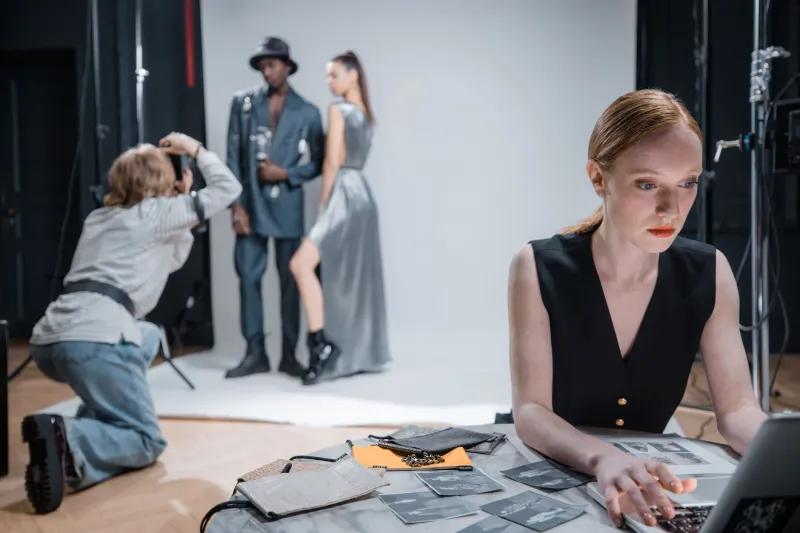
Then a casting director (yes, an actual casting director, the same kind used for film and TV) puts out a call. Sometimes they're looking for non-union talent to keep costs down and maintain plausibility. Sometimes they're specifically targeting people with small but engaged social followings, because those people come pre-loaded with an audience that already believes in their ordinariness.
Selected candidates go through what some insiders call "authenticity coaching" — essentially, direction designed to make scripted moments feel unscripted. Hesitations are rehearsed. Laughs are timed. The slightly-too-long pause before answering a question? Planned.
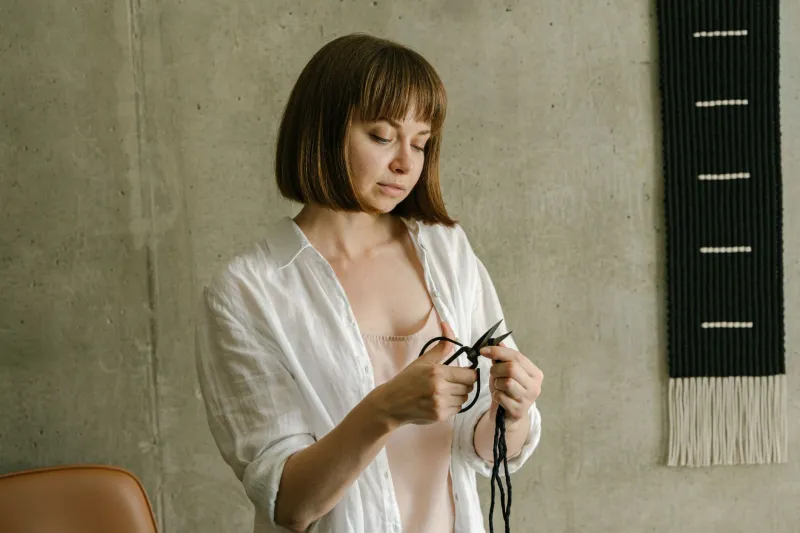
The wardrobe department then spends real money making sure the talent looks like they didn't spend real money. There are stylists whose entire job is sourcing clothes that read as "stuff I already owned." The wrinkled linen shirt is intentional. The slightly scuffed sneakers were sourced from three vintage stores.
Why It Works (And Why We're Annoyed It Works)
The frustrating truth is that this approach is effective. Consumer research consistently shows that people respond more positively to peer-style presentation than traditional advertising formats. We're wired to trust faces that look like ours, voices that don't sound like they're selling something, environments that look lived-in.
Brands figured this out by watching what happened when actual real people — early YouTubers, OG Instagram creators, genuinely amateur content producers — built massive trust with audiences just by being themselves. The logical corporate move was to reverse-engineer that trust. Hire people who look like those people. Train them to act like those people. Deploy them at scale.
The result is a strange hall of mirrors where the most expensive option is the one that looks free.
And we're annoyed it works because somewhere in our media-literate brains, we know we're being played. There's a reason "this feels like an ad" has become its own genre of comment section complaint. People can sense the scaffolding even when they can't see it. The uncanny valley of authenticity is real — something registers as slightly off even when you can't name what it is.
The Micro-Influencer Trap
The most complicated corner of this whole ecosystem is what's happening to micro-influencers — creators who built genuine communities around their actual lives and perspectives. When brands come knocking with real money, the offer is hard to refuse. And why should they refuse it?
But here's the tension: the thing that made them valuable to brands is the exact thing that erodes when they start performing on command. Their audience trusted them because they were real. The brand wants to borrow that trust. The creator gets paid. The audience, eventually, notices the transaction.
Some creators navigate this carefully, maintaining boundaries around what they'll promote and how. Others get absorbed into the machine entirely, cycling through brand deals until their feed is indistinguishable from the polished content they were supposedly an alternative to.
The brands don't particularly care which outcome happens. They got the campaign. The authenticity they needed was a one-time extraction, not an ongoing relationship.
The Focus Group Approved Your Freckles
Maybe the most revealing detail in this whole operation is the role of focus groups in casting decisions. It's not just about whether someone is likable — it's about whether specific features read as trustworthy to target demographics.
Natural hair textures, visible skin texture, non-standard body proportions, regional accents — these aren't just representation choices anymore. They're variables tested against audience response data. The freckles on the woman in that yogurt commercial? Someone in a conference room decided freckles tested well with the 28-to-44 female demographic in the Midwest.
That doesn't mean the representation is meaningless. Seeing more varied faces in advertising has real cultural value regardless of the cynical process that produced it. But it does mean that "authentic" has been fully absorbed into the language of brand strategy, stripped of anything inconvenient, and redeployed as a feature.
What's Actually Left
None of this means genuine creators don't exist. They absolutely do. The person who built a following by talking honestly about their chronic illness, their complicated family, their weird niche hobby — that's real, and it's valuable, and it's distinct from what brands are manufacturing.
The trick is learning to tell the difference. And the brands are counting on that being hard.
Because as long as performed ordinariness is close enough to actual ordinariness to register the same emotional response, the machine keeps running. The casting calls keep going out. The authenticity coaches keep working. And somewhere, a stylist is deliberately scuffing a pair of sneakers so a trained actor can look like someone who just happened to wander into frame.
Your neighbor is not in that yogurt commercial. But someone spent a lot of money making sure you'd think she was.