You Never Met Them, But the Breakup Still Hurts: Inside the Parasocial Grief Machine

Somewhere right now, someone is typing out a 47-tweet thread about how a YouTuber they've followed for six years has "completely changed" and it "genuinely feels like losing a friend." They mean it. The emotion is real. The grief is real. And the weirdest part? Millions of people reading that thread know exactly what they're talking about.
We are living through a golden age of public mourning for relationships that, technically speaking, only existed on one side. Celebrity fallouts, influencer implosions, fandom divorces — the cultural machinery around these events has grown so elaborate, so ritualized, that it now mirrors the stages of an actual breakup. There are discourse threads. There are retrospective video essays. There are community grief sessions in comment sections. There is, without exaggeration, an economy built around all of it.
And the entertainment industry didn't stumble into this by accident.
The Setup: How Intimacy Became a Content Strategy
Parasocial relationships — the one-sided emotional bonds audiences form with public figures — aren't new. Fans have been writing letters to movie stars since Hollywood had a zip code. But the modern content ecosystem turbocharged something that used to be a slow burn into a full-on intimacy accelerant.
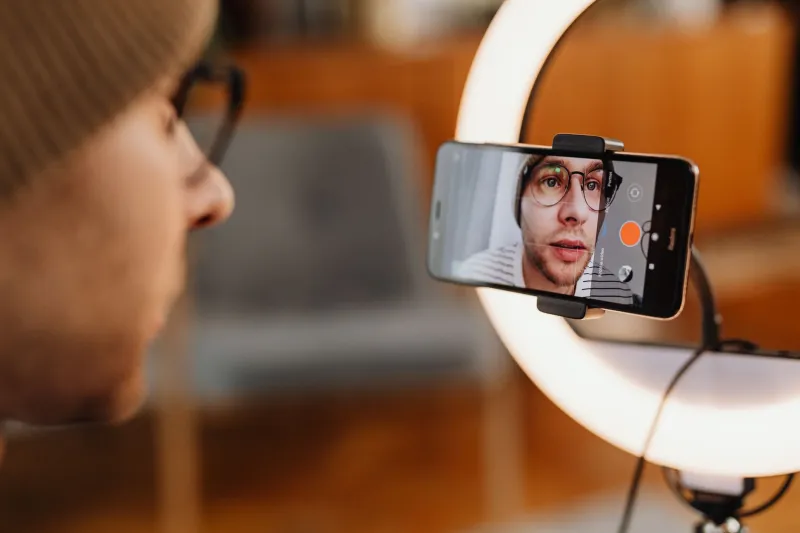
Creators on YouTube, TikTok, and Instagram figured out pretty quickly that vulnerability converts. The more a creator shared about their anxiety, their bad dates, their family drama, their 3 a.m. thoughts — the more their audience felt seen by proxy. Watch enough of someone's "get ready with me" videos and your brain starts filing them somewhere in the neighborhood of "people I actually know." Neuroscience backs this up: the same social processing regions that light up during real friendships activate during parasocial ones too.
Platforms love this. Emotional investment drives watch time. Watch time drives revenue. The algorithm doesn't care whether your feelings are based on a real relationship or a carefully constructed one — it just knows you keep coming back.
So creators built entire brands around simulated closeness. "I feel like I can tell you guys anything" became a genre unto itself. And audiences, starved for genuine connection in an increasingly isolated social landscape, leaned all the way in.
The Fallout Formula
Here's where it gets interesting — and a little dark.
When a creator or celebrity does something that violates the emotional contract their audience believed they had, the response isn't just disappointment. It's betrayal. The kind that prompts people to rewatch old videos looking for red flags. The kind that generates hour-long "we need to talk" response videos from other creators. The kind that floods Reddit with threads titled things like "I feel so stupid for trusting them."
Take any major influencer controversy of the last five years and you'll see the same pattern play out. First comes the initial shock and the hot takes. Then the pile-on discourse, where everyone's processing their feelings publicly in real time. Then the retrospective — the "looking back, the signs were always there" content. Then, eventually, the split into camps: those who forgave, those who didn't, and those who wrote 3,000-word Substack pieces about what the whole thing means.
This isn't just fans being dramatic. This is a grief cycle. And it's been engineered to work exactly this way.
The entertainment and creator industries trained audiences to invest emotionally by promising authenticity. When that authenticity turns out to be partial — or performed — the fallout is proportional to the investment. The higher the intimacy ceiling a creator built, the harder the crash when something goes wrong.
Collective Breakups Are a Spectator Sport Now
What makes the current moment genuinely strange is the scale at which these breakups happen simultaneously. When a beloved figure falls from grace, millions of people process it at the same time, in public, feeding off each other's reactions. It's grief, but it's also theater. It's personal, but it's also a community event.
Think about the discourse cycles around figures like Colleen Ballinger's ukulele apology video, or the ongoing fallout from various beauty community implosions, or the collective heartbreak when longtime collaborators publicly fall out. The comment sections during these events look less like internet arguments and more like group therapy sessions. People are genuinely working through something. They're not just dunking — they're mourning.
And here's the uncomfortable layer underneath all of it: the mourning itself becomes content. Reaction videos. "My thoughts on the situation" vlogs. Drama channel breakdowns. The grief cycle generates its own media ecosystem, which then generates its own audience investment, which then generates its own potential for future fallouts. It's recursive. It's relentless. It's extremely profitable.
What We're Actually Grieving
It would be easy to dismiss all of this as parasocial delusion — millions of people confusing entertainment for friendship and then being surprised when the math doesn't work out. But that reading misses something important.
A lot of people genuinely don't have robust social lives. Loneliness in America has been at crisis levels for years, a fact that got dramatically worse post-pandemic. For a lot of audiences — especially younger ones — parasocial relationships with creators fill a real gap. They provide a sense of community, of being known, of belonging to something.
When that collapses, what people are often grieving isn't just the creator. They're grieving the community that formed around that creator. The inside jokes. The shared references. The comment section regulars they'd started to recognize. The version of themselves that existed in that space.
The parasocial relationship was the container. But the actual loss is everything that lived inside it.
The Industry Isn't Going to Fix This
Here's the thing: nobody with a financial stake in the current system has any real incentive to dial back the intimacy machine. Platforms make money when people are emotionally invested. Creators build careers on manufactured closeness. Even drama channels — whose entire business model is documenting these grief cycles — depend on the cycle continuing.
The audience is the only party in this equation that consistently absorbs the emotional cost.
That doesn't mean parasocial relationships are inherently bad or that enjoying creator content is some kind of trap. But maybe the healthiest thing any of us can do is hold these connections a little more loosely — appreciate them for what they are, enjoy the entertainment, feel the feelings, and then remember that the person on the other side of that screen is, ultimately, doing a job.
They might be doing that job with genuine warmth and real effort. That's not nothing. But it's also not the same as knowing you.
The grief is real. The relationship, in the way we've been trained to experience it, mostly wasn't. And somewhere in that gap lives one of the stranger emotional paradoxes of being alive online right now.