Borrowed Feelings: How Brands Turned Your Childhood Into a Marketing Budget Line
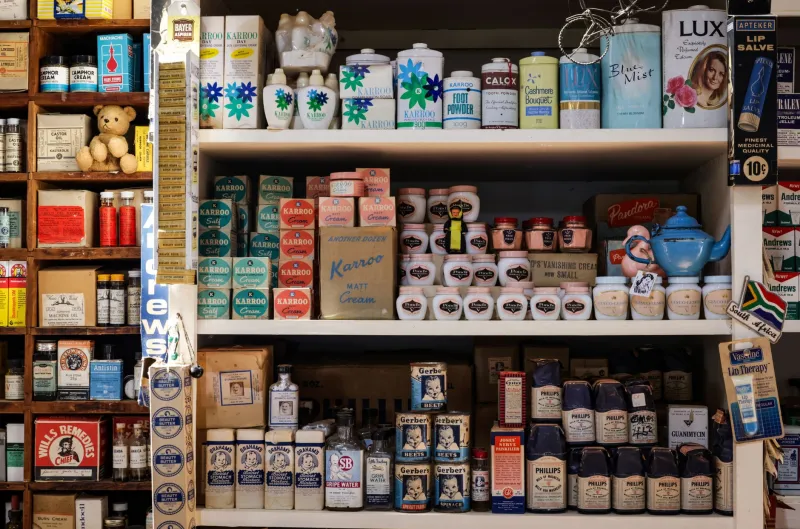
There's a specific kind of emotional whiplash that happens when you're scrolling through your feed, minding your business, and suddenly a corporation announces that your favorite discontinued snack from third grade is back. For about four seconds, something warm and involuntary fires off in your chest. Then the price tag loads. Then you read the ingredients list. Then you notice it's only available through a subscription box you definitely didn't ask for.
And just like that, the warmth curdles into something harder to name.
This isn't nostalgia. Or at least, it isn't your nostalgia. It's nostalgia that's been quietly borrowed, repackaged, and handed back to you at a markup — and a growing chunk of the American consumer base is catching onto the move.
The Machine That Runs on Warm Feelings
Nostalgia marketing isn't new. Brands have been mining the past for emotional leverage for decades. What's changed is the precision. Thanks to mountains of behavioral data, social listening tools, and an internet that never forgets anything, corporations now know exactly which cultural artifacts carry the most emotional weight for which age groups — and they can activate those feelings with surgical timing.
Millennials were the first generation to get really squeezed by this. The mid-2010s were basically a decade-long experiment in selling 30-somethings their own childhoods back to them. Blockbuster-themed merchandise. Crystal Pepsi. Every reboot of every cartoon you watched on Saturday mornings. The emotional hook was obvious: here's proof that the thing you loved was real, was valuable, was worth something.
Except the thing you loved wasn't the product. It was the time, the context, the specific low-stakes afternoon that the product happened to exist inside. The brand knows this. They're not selling you the snack. They're selling you the feeling that lived near the snack.
Gen Z Didn't Fall for It — and That's Made Things Weirder
Here's where the plot thickens. Gen Z, who grew up watching millennials get played by nostalgia cycles, came into adulthood with a built-in skepticism toward this whole operation. They've seen the pattern enough times to clock it early: a brand's engagement numbers dip, a social media manager somewhere suggests a throwback campaign, and suddenly there's a limited-run product with retro fonts and a hashtag asking people to share their memories.
But Gen Z didn't opt out of nostalgia entirely. They just got weird about it in their own way — fixating on aesthetics from eras they didn't actually live through, thrifting clothes from decades before they were born, and building ironic affection for artifacts they have zero personal history with. Which, honestly? That's a more honest relationship with the past than pretending a reformulated version of a 1990s snack is the same thing you ate as a kid.
The result is a strange standoff. Brands keep launching throwback campaigns. Younger audiences keep engaging with them just enough to juice the algorithm, then publicly dissecting them in comment sections. The emotional manipulation is the content.
What Actually Gets Stripped Away
When a brand resurfaces something from the cultural archive, the thing that almost never makes it into the revival is context. And context is everything.
Take a cereal mascot that got retired in the early 2000s. The original version of that character existed inside a specific media landscape — Saturday morning cartoons, analog toy commercials, a pace of life that didn't involve anyone being chronically online. The mascot wasn't just a design; it was ambient furniture in a particular kind of American childhood. Bringing it back as a limited-edition collectible tin sold through a brand's e-commerce store doesn't restore any of that. It just takes the visual and detaches it from everything that gave it meaning.
Same goes for fashion. When a fast-fashion retailer drops a "Y2K-inspired" collection, they're not reviving an era — they're harvesting an aesthetic. The actual culture of that moment, the music, the specific anxieties, the way the internet felt when it was still kind of dangerous and new, none of that fits in a pair of low-rise jeans. What you're buying is a silhouette stripped of its soul.
People feel this, even when they can't fully articulate it. That's why the reaction to so many nostalgia campaigns is this weird mix of engagement and resentment. You clicked, you shared, you maybe even bought the thing — and then you felt vaguely gross about it afterward.
The Authenticity Arms Race Nobody's Winning
The backlash to hollow throwback marketing has pushed brands into an awkward corner. Now they have to prove their nostalgia is genuine, which has spawned a whole new tier of performative authenticity. You'll see campaigns that over-explain their reverence for the original. Press releases that read like eulogies. Founders doing emotional interviews about how much the legacy product meant to them personally.
It's still marketing. It's just marketing that's now also cosplaying as a feelings journal.
The deeper problem is structural. A corporation cannot actually be nostalgic. Nostalgia is a personal emotion rooted in lived experience — it requires memory, loss, and the particular ache of knowing you can't go back. A brand has none of those things. What it has is a data set that tells it nostalgia converts well among the 28-to-42 demographic, and a design team willing to execute on that insight.
When the machinery is visible, the magic dies. And for a lot of consumers right now, the machinery is extremely visible.
Maybe the Feeling Was Never for Sale
Here's the uncomfortable truth that sits at the center of all this: the brands aren't entirely wrong that people want to feel connected to their past. That instinct is real and human and not going anywhere. The problem is the transaction they're proposing — pay us, and we'll give you access to a feeling that was never ours to sell in the first place.
The actual thing you're chasing when a throwback campaign hooks you isn't the product. It's the version of yourself that existed when the product was new. It's a specific summer, a specific house, a specific sense of the world being a certain size. None of that is in the packaging.
What's interesting is watching people figure this out in real time, out loud, in comment sections and TikTok stitches and Twitter threads that go semi-viral every time a major brand announces another revival. There's a collective literacy forming around this stuff — a shared language for calling out the emotional sleight of hand.
Brands will keep running throwback campaigns because they keep working, at least in the short term. But the gap between engagement and genuine affection is widening. People will click, they'll share, they'll maybe even buy. They just won't trust it. And in the long run, that's a much harder thing to recover from than a failed product launch.